
Why Is Your Winter Electric Bill High, Even With A Gas Furnace?
According to the U.S. Energy Information Administration (EIA), space heating accounts for 46.5% of the annual energy use in single-family homes1. In the Midwest, that jumps to 58%2 followed by water heating at 14.3%. In comparison, air conditioning uses only 5.2%, and refrigerators about 2.9%, with the remaining usage falling into an “all other” category.
But much of that is natural gas, so electric bills should go down in the winter, right?
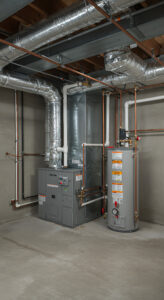 Well, yes and no. Yes, much of the energy used for heating comes from natural gas, propane, or other similar fuels, which may (depending on market fluctuations) be an affordable source of fuel. But no, that still doesn’t mean that your electric bills will go down during the winter months because these systems are heavily dependent on electricity to run. In fact, December and January are two of the five highest months for electrical usage.3
Why Does Power Usage Rise in the Winter?
Your Gas Furnace Still Uses Electricity
While much of the energy used to heat homes comes from other sources, more than you might expect comes from electricity. In fact, in the Midwest, the amount of electricity spent on heating (13.9%) is similar to that of air conditioning (14.5%), which is entirely electric.4
Even though your furnace burns natural gas, many of its components run on electricity. For instance, the thermostat, draft inducer fan, igniter, blower motor, sensors, and safety controls are all electric. When the weather gets cold, these parts operate more frequently and for longer periods, which increases your electricity consumption.
Other Heaters Run More
Even propane garage heaters rely on electricity to power fans and controls.
Electric space heaters also are used far more often in the winter and are extremely energy intensive.
Holiday Decorations
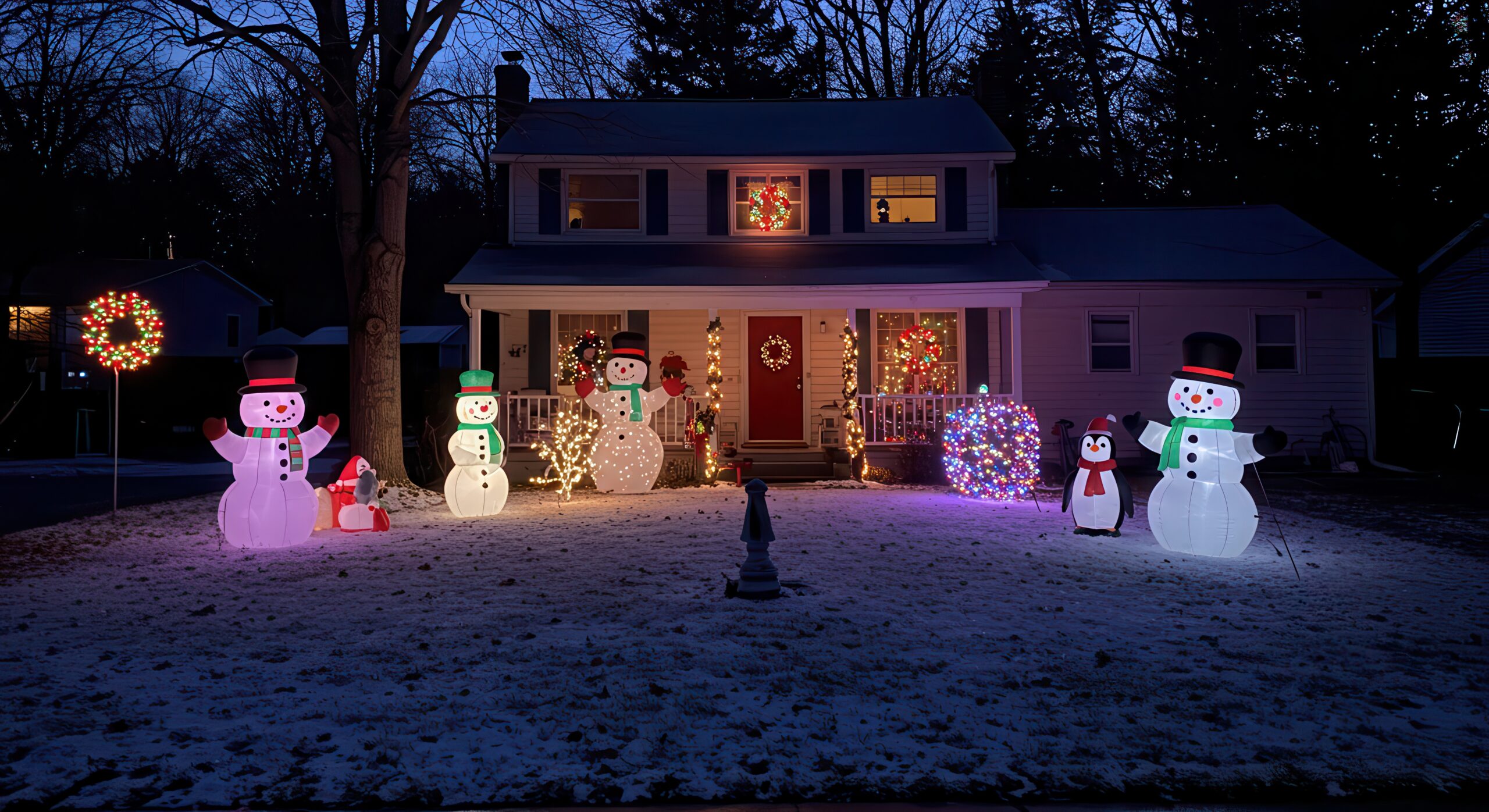
Newer LED lights are more efficient, but long run times and large displays can still add up fast. Blow-up characters and decorations require a blower and lights whenever in use, adding additional electrical usage when compared to traditional light displays.
Water Heaters Work Harder
Cold incoming water and colder pipes mean your water heater requires more power during the winter. Electric water heaters are the third-highest electricity user in the average household, per the EIA.5
Dryers Running More Often
If you typically hang clothes outside in warm weather, extra dryer use during winter adds significant electricity consumption.

More Time Inside
The winter cold and reduced daylight hours drive people inside more often. And more time inside means more time spent on TVs, gaming consoles, streaming devices, and computers, all of which require electricity.
Electric Winter Tools
Battery-powered snow blowers, electric shovels, and other powered outdoor tools need frequent charging when winter storms roll in.
Avoid Seasonal Electric Bill Spikes With Solar
Winter electric bills remind us of how much energy our homes truly use, even when we rely on gas for heat. Solar can help offset these seasonal spikes by generating clean, affordable power year-round, reducing the electricity costs tied to furnaces, water heating, lighting, and all the extra appliances that work overtime in the cold months. Reach out to Eagle Point Solar to get your free solar energy analysis started.
Sources
1 https://www.eia.gov/energyexplained/use-of-energy/homes.php
2 https://www.eia.gov/consumption/residential/data/2020/c&e/pdf/ce3.3.pdf
4 https://www.eia.gov/consumption/residential/data/2020/c&e/pdf/ce4.1.pdf
5 https://www.eia.gov/energyexplained/use-of-energy/electricity-use-in-homes.php
How Much Can You Save With Solar?
Interested in learning how much solar can reduce your electric bill in all seasons? Sign up for a free solar analysis, and our experts can tell you everything from how long the system will take to pay for itself to what the ideal array size and location is for your property.