
Understanding Your Solar Contract
You’re thinking about going solar and are ready to buy, but before you sign on the dotted line, take some time to understand what you’re agreeing to. Like most contracts, solar agreements can be full of technical language that isn’t easy to understand. A good contract should protect both you and the solar provider. Read carefully, ask questions, and don’t feel pressured to rush the process.
Solar contracts vary from installer to installer, but most include some key sections you’ll want to review closely.

Solar System Overview
Your contract should include a detailed description of the solar energy system. This section helps you understand exactly what you’re buying and what the installation will look like. Look for:
- Panel information: Brand, model, size and quantity.
- Inverter information: Brand, model, size and quantity.
- Array location: Where panels will be placed? (roof, ground, etc.)
- Electrical wiring route: How will the system connect to your home’s electrical system?
- Component placement: Inside or outside, visible or hidden?
- Annual production: How much of your annual energy usage will be offset by the system?
This section should leave no questions about what equipment is being used and how the system will be installed. You can find more detailed information in Solar United Neighbors’ “How to Read Your Solar Contract” article.
Financial Summary
This section outlines the project cost and payment terms. It should include:
- A breakdown of costs (materials, labor, permitting and interconnection fees).
- Financing or loan terms, if applicable.
- A clear process for change orders (if project scope changes or unexpected issues arise).
Tip: The best way to compare solar quotes is by calculating the cost per watt. Divide the system cost by the system capacity in watts. For example, a $21,000 system with a 7 kW (or 7,000 watt) capacity = $3/watt.
Warranty
A strong warranty protects your investment. Your contract should clearly explain:
- Length: How long the equipment and workmanship warranties last.
- Coverage: What’s included (inverters, labor, roof leaks, etc.).
- Limitations: What voids coverage (unauthorized repairs or modifications).
Also, look for instructions on what to do if you need warranty service and how claims are handled.
Solar Incentives
Make sure you understand who receives the tax credits and rebates. Is it you or the solar company? Also ask:
- Does the installer apply for rebates on your behalf, or do you submit the paperwork?
- Do you qualify for all tax credits shown in the proposal? (Consult your tax advisor to be sure.)

Cancellation/Termination
If you’re worried about buyer’s remorse, this section is critical. Look for:
- The timeframe in which you can cancel (this may vary by installer).
- How refunds of payments are handled.
- The procedure for returning any equipment.
If you decide to cancel, follow the outlined directions exactly to ensure proper acknowledgment and avoid disputes.
Some Red Flags to Watch Out For
Trust your instincts. If something feels off, dig deeper. Watch out for:
- Missing details (system specs, warranties, payment structures)
- Vague or unclear contract language
- High-pressure sales tactics or reluctance to answer your questions
It’s always wise to get a second opinion or another quote. A reputable solar company will encourage you to take your time and make an informed decision, as noted by Consumer Reports.
Be Sure to Know Your Solar Contract Before You Sign
Solar is a long-term investment. Panels can last 30-40 years, so choosing the right installer is just as important as choosing the right equipment. Take your time, ask questions, and never let yourself feel rushed. A clear, well-written contract gives you peace of mind and protects your investment for decades to come.
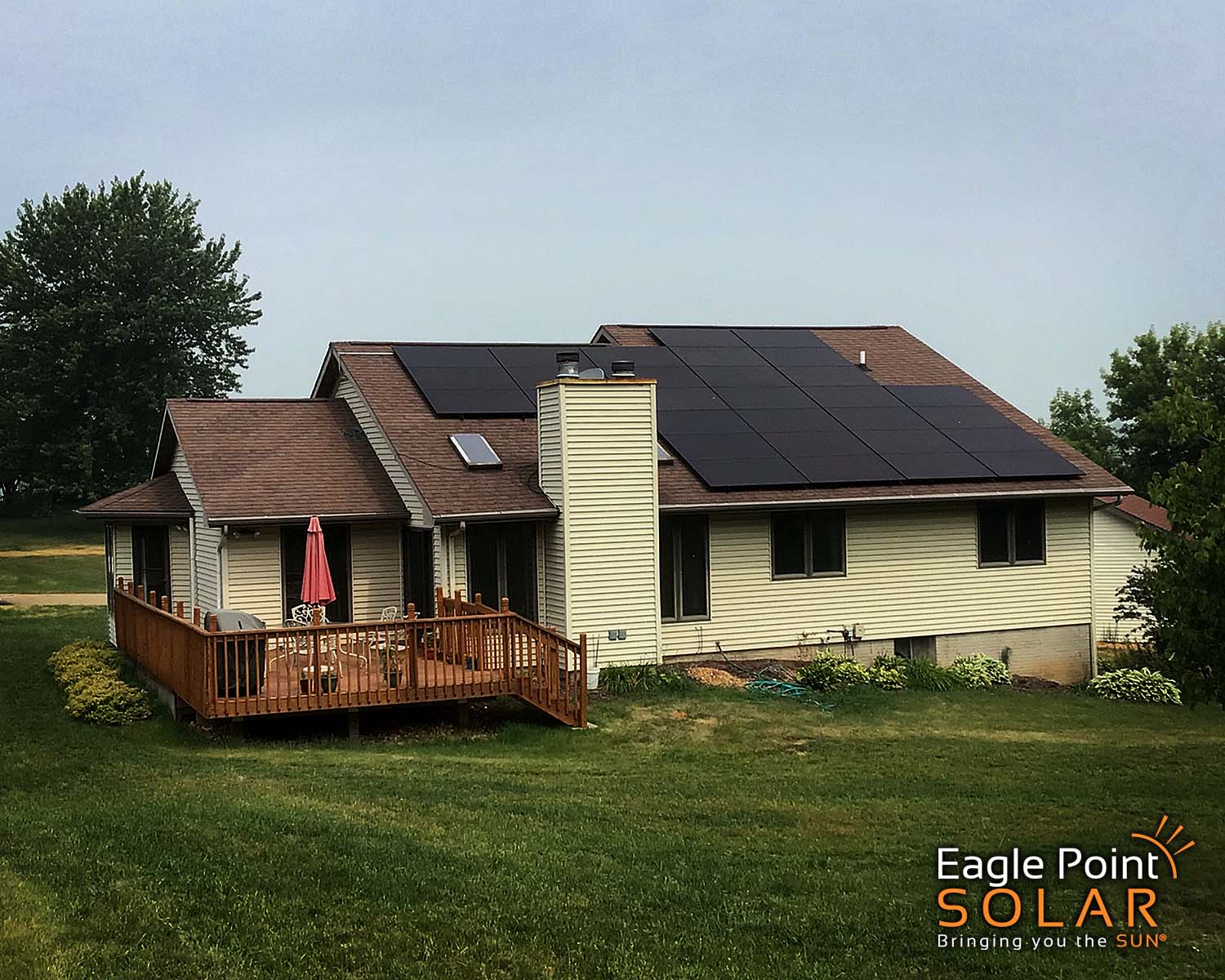
At Eagle Point Solar, we are committed to helping you make an informed decision on going solar. If you live in Iowa, Illinois or Wisconsin, you can learn more about how solar could impact your home or business by getting our free solar analysis.