
Solar Permits: What You Need to Know
Installing solar panels is an exciting step toward clean energy, but before your system goes up, there’s an important piece of the puzzle to consider: permits.
Since solar installations involve electrical and construction work, permitting is required to ensure everything is safe and code-compliant. But, there’s a catch: permitting isn’t standardized nationwide. It varies by state, city, utility, and even the type of solar array you’re installing. That’s why it’s important to understand what’s involved or partner with an installer who does.
What Permits Are Typically Required to Install Solar Panels?
In most areas, installing solar will require:
- Electrical permits
- Building permits
- Sometimes, solar-specific permits
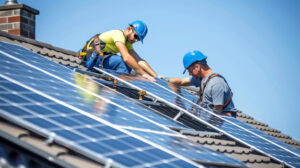
For example, if you’re adding panels to your roof, inspectors want to be sure your roof can support the extra weight. These rules exist to protect homeowners and ensure everything meets local electrical and building codes.
The good news? A reputable solar installer will handle most (if not all) of this for you. Choosing the right team means fewer headaches and a smoother path from contract to permission to operate (turn on) your new solar array. Learn more about Eagle Point Solar’s core focus and values.
Location, Location … Regulation — Solar Permit Requirements Can Vary Greatly
Solar permitting requirements can change drastically from one place to another.
In some cities, you might need only one permit. In others, you could need separate permits for electrical and construction, and maybe even approval from your Homeowners Association (HOA) or a historical district board.
And don’t forget fire codes, especially for roof-mounted systems. Fire departments often require clear walkways around your panels so they can access the roof in case of an emergency. Even the spacing between panels and the edge of the roof can matter.
That’s why it pays to work with an installer who’s familiar with your area’s unique rules, building codes, and permit requirements.
Solar Inspections: The Final Step Before Flip-On
 Once your system is installed, an electrical inspector or an inspector from the permitting office — depending on the rules & regulations in your area — will stop by to make sure the work was done correctly and safely. This inspection usually needs to happen before the utility company can conduct its own review.
After both inspections are passed, you’ll receive what’s called Permission to Operate (PTO) — and then it’s lights on!
Let the Experts Handle the Solar Permitting Process
Worried about managing permits, applications, or inspections? You don’t have to be.
Choose a turnkey solar installer, like Eagle Point Solar, which manages the entire process in-house — from engineering and permitting to installation and final approval. Be sure to ask your installer about their experience working with your local municipality and utility provider.
When you choose a company that knows the ins and outs of solar permitting, you’re setting your project up for a smooth and timely installation. Reach out to Eagle Point Solar today for your Free Solar Energy Analysis.
Sources:
Renewable Energy World – Three solar permitting mistakes to avoid. https://www.renewableenergyworld.com/solar/three-solar-permitting-mistakes-to-avoid/
Solar Energy Industries Association (SEIA) – Solar Permitting: Before installing solar, system owners must meet many permitting requirements. https://seia.org/solar-permitting/
Energy Ready – Solar Energy Toolkit: Solar PV Construction: Codes, Permitting, and Inspection. https://energy-ready.org/resource/solar-energy-toolkit-solar-pv-construction-codes-permitting-and-inspection
Iowa Utilities Commission – On-site (Distributed) Generation. https://iuc.iowa.gov/regulated-industries/electric/site-distributed-generation?utm_source=chatgpt.com

Want To Learn More About The Solar Installation Process? We Can Help
Whether it is what to expect during the solar installation process or what size or type of array is best for your location and energy needs, our team of experts can ensure you have all the information you need to make an informed decision on solar. Contact us for a free solar analysis.