
10 Ways To Be More Energy Efficient This Summer
Summer is here and the heat is on! Warm weather and sunny days mean higher electric bills. Everyone wants to stay comfortable in their homes, and high outdoor temperatures can make it difficult and expensive to keep your living space at a cool, relaxing level. Here are a variety of ways you can offset the season’s rising temperatures through energy-efficient practices.
1. Keep It Breezy
Fans are a great way to keep air flowing in your home without turning down the thermostat. Using a ceiling fan the correct way can make a huge difference in your home’s temperature. During the summer, the blades on a ceiling fan should turn counterclockwise to push air down to create a breeze. Ceiling fans can give you the ability to set your thermostat 4 degrees higher than normal for the same level of comfort. Remember to turn fans off when you’re not in the room.
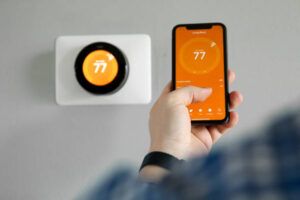
2. Optimize Your Thermostat
Your air conditioning is sucking energy every day. Nearly 50% of your energy consumption focuses on heating and cooling. For every degree above 73˚ degrees in which your thermostat is set, you can save up to 3% on your energy costs. Programmable thermostats allow you to program your home to be warmer while you are away and begin cooling before you return. Smart thermostats even offer the ability to adjust the temperature of your living space directly from your phone. Cleaning out dirt and debris build up on your air conditioning unit can allow it to become more energy efficient. Cleaning dust from vents, replacing furnace filters, moving furniture and other objects blocking vents will also help you save. Blocked vents can cause your air conditioning to run longer than necessary.
3. LED Lighting
Today LED is the most energy-efficient and rapidly developing lighting technology. Traditional incandescent lightbulbs create heat and only 10% of the energy used is for light. Not only can replacing lightbulbs with LED bulbs lower your electric bill but it would lower the temperature of your home… saving you money on cooling. LED light bulbs last about 25 times longer and use 75% less energy than incandescent lighting.
4. Relax & Unplug
Even when not being used, charges, toasters, computers, TVs and other electronics will continue to use energy. While unplugging one appliance doesn’t make a huge difference, all the small appliances currently drawing small amounts of electricity (24/7) can add up and become significant on your electric bill. The Department of Energy reports these standby loads account for 5-10% of residential energy use.
5. Wash Clothes on Cold
Change up your laundry routine by only washing your clothes with cold water. About 90% of the energy used by a washing machine goes toward heating the water. The Department of Energy reports that water heating can make up 14-25% of your electric bill. Washing in cold water is also gentler on your clothes and reduces fading and shrinking. Another way to save energy with laundry is to only wash full loads and avoid extra loads.
6. Keep Your Fridge Cool
Limiting your time browsing in the fridge will help save energy by not consuming power to maintain the cold temperature. Your refrigerator and freezer are essential to keeping your summer treats cool. Setting the thermostat between 35˚ and 38˚ for the refrigerator and 0˚ and 5˚ degrees for the freezer keeps your food cool and safe without using excessive electricity. It is also more efficient to keep your fridge and freezer full to reduce the amount of air inside. A full compartment can hold the cold temperture better when a door is opened and air escapes.
7. Dining Out
Summer is the perfect time to grill outside. By steering clear of the kitchen you can reduce your electric bill. Using kitchen appliances such as your oven or stove top can raise the temperature in your home by up to 10˚ degrees causing the use of more air conditioning to meet your desired temperature. If you have a microwave, consider using this appliance versus the stove to reduce the amount of pre-heating and cooking time. The goal should be to use the least amount of appliances in your kitchen to prepare your meals. This will help ensure your energy consumption remains minimal.
8. Change Air Filters
HVAC systems work best when they are clean and well maintained. Clogged, dirty filters reduce airflow and limit the efficiency of your HVAC system. Replacing the filter can lower your energy consumption by 5-15% according to the Department of Energy. It is recommended to change air filters every three months to reduce the strain on the system and minimize the chance of potential problems down the road.
9. Low Flow Water
Water usage typically increases during the summer season. Watering a lawn and outdoor plants, filling a backyard pool and often taking more showers results in more energy consumption and added utility costs. To cut down on watering cost it is best to water outdoors in early morning or at dusk. This helps to prevent water from evaporating before soaking into the ground. Another way to conserve water and save money is by installing low-flow water fixtures like shower heads, faucets and toilets.
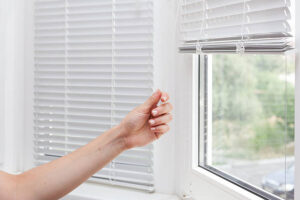
10. Close The Blinds & Check Your Seals
Air conditioning isn’t the only way to keep your house cooler. By closing blinds and curtains you block warm sunlight and keep your home from heating up as quickly. During cooler seasons, about 76% of sunlight that falls on standard windows becomes heat according to the Department of Energy. Checking seals and adding weather stripping or caulking around doors and windows is a great way to minimize energy loss and contribute up to 10% more in household energy savings.
In Conclusion
Summer is a great time to enjoy all that the outdoors has to offer. However, during the height of the season, outdoor heat and humidity can play a big role in maintaining a comfortable home environment. Making minor, affordable adjustments in how you use your appliances and fixtures as well as maintaining existing HVAC systems can have a positive impact on your monthly energy costs. Looking for more ways to be eco-friendly and save money? Join the millions of people who have installed a solar energy system!
Sources:
https://www.energy.gov/energysaver/articles/stay-cool-less-money-ceiling-fan
https://www.energy.gov/energysaver/programmable-thermostats https://www.energy.gov/energysaver/led-lighting
https://www.energy.gov/energysaver/articles/3-easy-tips-reduce-your-standby-power-loads
https://www.energystar.gov/campaign/seal_insulate
https://www.energy.gov/energysaver/energy-efficient-window-coverings

During the summer, people strive to keep their electricity bills low for various reasons.
Cost savings, environmental consciousness and personal comfort are all motivations behind reducing energy consumption.
By adopting energy-efficient habits, individuals can enjoy a cool summer while minimizing expenses.