
How Much Does a Solar Energy System Cost?
Rapidly increasing electric costs have homeowners looking for affordable, sustainable solutions to lowering their monthly bill. While there are numerous solutions to reducing the amount of electricity used during the month, only one comes to mind when seeking a long-term solution to becoming energy independent – solar! One of the first questions we often hear from someone interested in solar is, “How much will a solar array cost?” While costs are certainly a primary factor in determining if system ownership makes financial sense, there are several aspects to consider when determining the cost of a custom system designed and engineered to meet your energy consumption needs.
First, solar is not a one-size-fits-all product. Why? Every home and business is as different as the people living there. Solar is not designed based on square footage, but rather on the amount of electricity you need to produce to offset an equivalent amount of electricity that you purchase from your utility. Given this insight, every property utilizes varying amounts of electricity. Second, energy production from a solar array varies based on its physical orientation to the sun and the amount of sun that reaches the solar panels. These characteristics will not be the same for every property and therefore, the placement of the array and number of panels needed to generate an equal amount of electricity will vary. Given this complexity, it is nearly impossible to accurately provide a realistic cost for a solar array without first completing a detailed solar analysis to determine your annual energy usage and a site assessment is performed by an expert in the design and engineering of these systems.
Who You Choose Can Determine the Cost
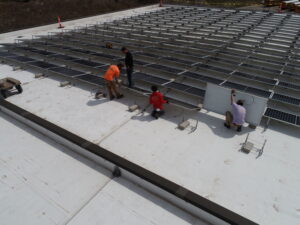
Following are additional areas that are evaluated by most professional solar companies during the estimation process. Beware of solar companies that provide instant quotes or over-the-phone estimates without completing an in-person site assessment in their process. These tactics will often lead to unexpected costs not foreseen until the construction phase begins, potentially leaving you in a difficult financial position to complete the work. Seek feedback from local solar owners, check online reviews, and view their portfolio of work and expertise in the solar industry.
Your Electric Bill Can Determine the Cost
The end goal of owning a solar array is to reduce your monthly energy charges as much as possible. A professional solar company will examine the total kilowatt-hours of energy consumed at the property during a 12-month period. Additionally, they will examine the rate(s) and any fees being charged by your utility throughout a 24-hour period and on a monthly basis. They will ask questions about your future energy consumption to determine if your electricity requirements will increase or remain consistent. This data, along with the utility’s solar policy, provides the foundation required in preparing an accurate, initial estimate.
Roof or Ground Placement Can Determine the Cost
The potential return on your solar investment increases in proportion to the amount of solar exposure at your desired array location. In other words, more sun for a longer period of time equals greater production of electricity. The position of your roof or exposed ground in relation to the sun can greatly affect this equation. The most desirable solar location will have no trees or buildings shading the array as the sun moves across the sky throughout the day and into the evening. Roofs should have minimal or no obstructions like vents or pipes which can limit the amount of available space for solar panels. Ground space should also have minimal obstructions and provide close proximity to the building’s electrical meter(s) to reduce trenching costs.
Solar Module and Equipment Quality Can Determine the Cost
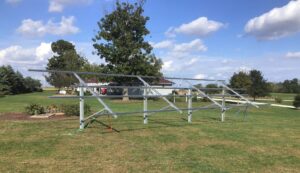 A substantial portion of the expense for a solar energy system is the size and type of solar modules (often called panels) that are selected for your array. Not all solar modules are created equal. The visual aesthetics, durability, reliability, and efficiency of solar modules vary from one manufacturer to another. Purchasing high-quality, Tier 1 modules from reputable manufacturers will ensure your system has the warranty, efficiency, and long-term production to meet your expectations. High-quality modules will be ideally paired with high-quality system components such as inverters, racking, connectors, wiring, posts, (etc.) Lastly, the availability of equipment can greatly affect the cost of your system, especially if there is a high demand with limited supply available.
Construction Constraints and Geography Can Determine the Cost
Location, location, location. We’ve all heard this phrase used before. In the case of solar, it is also true. It was previously mentioned that it is important to build solar in locations with adequate solar access, but it is also important to consider the distance from the array to your electric meter, as well as the distance for the construction crew traveling to your site. Will you need extensive trenching completed from the array to your meter? How difficult will it be to deliver materials and equipment to your site? How high or steep is the roof and does it pose an additional safety risk? Will you need to upgrade your electrical service panel? These are just a few factors considered by a professional solar company when estimating your project.
Available Incentives and Grants Can Determine the Cost
Incentives and grants are a great way to offset a portion of the cost of going solar. Where available, federal, state, and local incentive and grant programs can drastically reduce the amount of time required to see a return on your solar investment. Always consult your tax professional to understand your eligibility. Incentives and grants may not be around forever, so waiting to install a solar energy system may result in missed financial opportunities. Learn more about current incentives.
Financing Options Can Determine the Cost
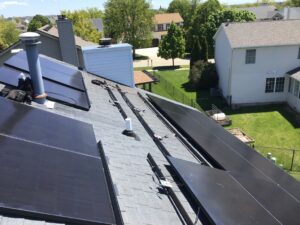 Keep in mind, when financing your solar array, you are merely swapping your monthly electric bill for your solar payment. The difference is that your solar payments will end at some point and you will still enjoy the low cost of generating your own renewable and clean electricity for many more years. The key is choosing the right payment terms coupled with a low-interest rate. The right terms could result in a monthly solar payment that is lower than or at least equal to your current monthly electric bill. Secondarily, as utility rates increase over time, your monthly solar payment will remain the same throughout the term, providing even more value to your bottom line. Learn more about financing options.
Solar Education Should Be Free
At Eagle Point Solar, our goal is to provide you with the necessary education to make an informed decision to determine if solar is right for you. We believe that providing our clients with accurate quotes on the front end will enable them to take the best possible action to meet their current and future energy goals.
When you’re ready to begin your solar journey, we’re here to help with our Free Solar Analysis report outlining the financial and environmental benefits of a turnkey solar energy solution.
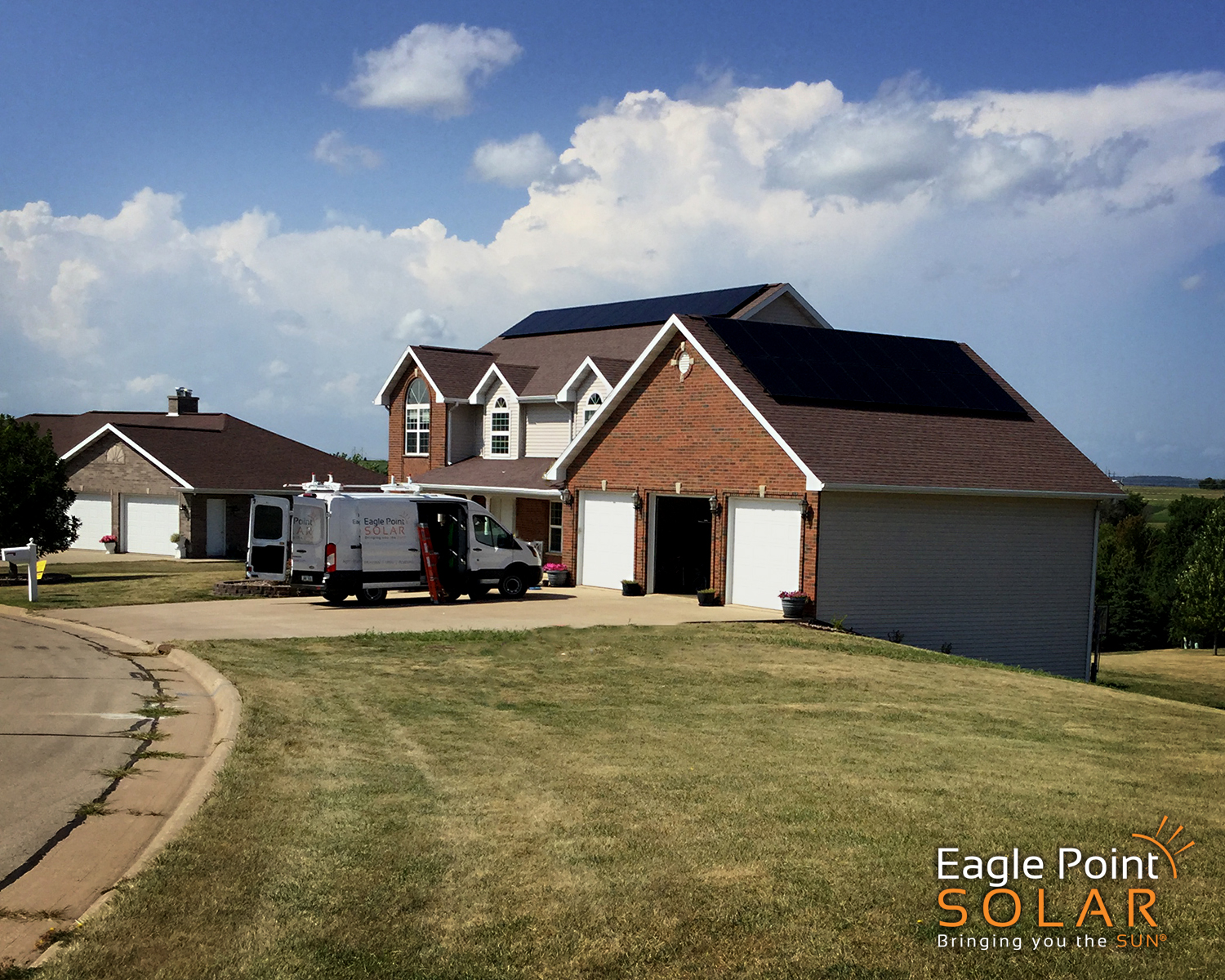
Start your solar journey today! Click here for your FREE Solar Analysis.